What About All This Perimenopausal Bleeding?
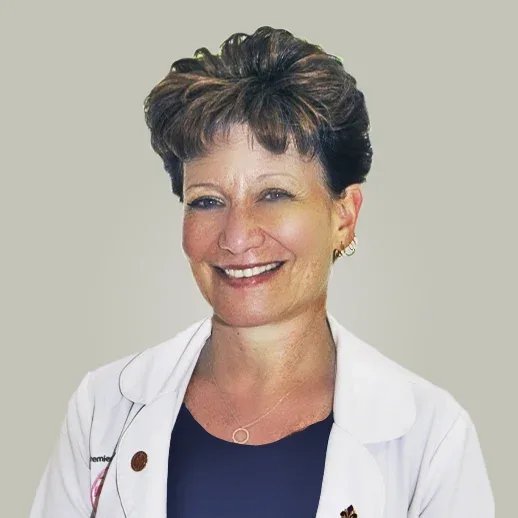
Rebecca Levy-Gantt
July 30, 20262 min read
Irregular or heavy bleeding can be part of perimenopause, but it may also have other causes. Learn how evaluation and treatment choices depend on your goals.

Many women in their thirties and forties experience irregular, heavy, and random episodes of bleeding. When the intervals between periods become irregular, this is usually the result of a change in communication between the brain and the ovaries. The pituitary gland in the brain should regularly signal the ovaries to produce hormones—mostly estrogen and progesterone, as well as some testosterone—and to ovulate monthly. When this signaling is not regular and monthly, irregular ovulation and bleeding patterns can occur.
There are many ways to correct these irregular bleeding patterns and either return to a regular monthly period or suppress the ovaries completely so that you have no period at all. It all depends on your history, symptoms, and desired outcome:
- If fertility is desired, as it often is in the late thirties or early forties, the focus needs to be on creating more regular ovulation. This is usually accomplished with medications that induce ovulation.
- If regularity of the menstrual cycle is the desired outcome but pregnancy is not desired, this can be accomplished with any number of hormonal contraceptive methods. These may also relieve some perimenopausal symptoms.
- If safety and symptom relief are the goals, there are many hormonal plans that can accomplish this, including various types of estrogen and progesterone products.
Sometimes, we need a deeper evaluation before starting any type of program. A pelvic ultrasound can determine whether there are other causes of bleeding, such as polyps or fibroids. Sometimes, a biopsy of the uterine lining is needed to rule out cancer or precancerous conditions.
In short, irregular bleeding patterns during the perimenopausal years may be expected and normal, or they may be caused by medical conditions or anatomical problems. Only by considering your medical history, bleeding patterns, and symptoms can a safe plan be individually formulated for you. Parée Care is here to help you on that journey.
Wondering what your symptoms add up to?
Start a structured intake reviewed by a licensed US clinician.
Educational only. This article is not medical advice, does not diagnose you, and does not guarantee treatment or prescription eligibility.
Add to preferred sources on Google (opens in a new tab)
Keep reading

Getting to the Heart of the Matter
Menopause can change cholesterol, blood pressure, body composition, and other heart risk factors. Learn what to monitor and discuss during the transition.
October 19, 20265 min read
Read the post
The Menopause Symptom That Won't Just Go Away
Genitourinary syndrome of menopause can affect comfort, sex, and urinary health. Learn why it may worsen without treatment and what options exist.
October 12, 20265 min read
Read the post
What's in the Menopause Toolbox?
Menopause treatment is not one-size-fits-all. Learn how hormone and nonhormonal options may be tailored to your symptoms, health history, and goals.
October 6, 20265 min read
Read the post