Do We Need 'Special' Supplements in Menopause?
Rebecca Levy-Gantt
August 11, 20264 min read
Learn which supplements may support nutrition in perimenopause and menopause, when lab testing matters, and why food should remain the primary source of nutrients.
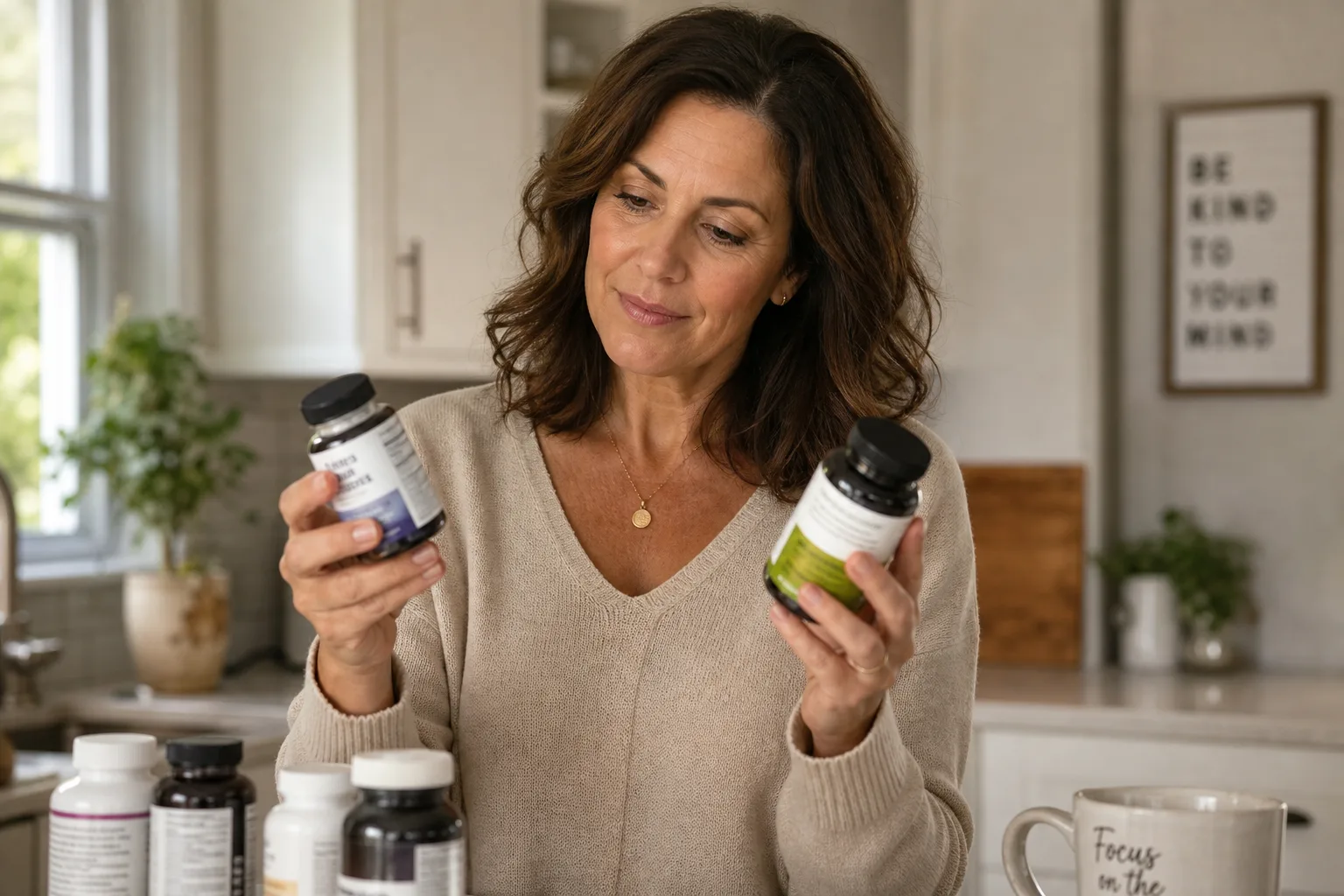
Many women regularly take dietary supplements, especially as they age and transition into menopause. Even if these women are on a menopausal hormone therapy plan that seems to be relieving their major menopausal symptoms, some may feel that something is “missing” or that they are not getting enough nutrition from their typical daily diet.
But what are supplements? Do you need supplements? And if so, which ones have some science behind them, and which ones do not? Are there special supplements for midlife women?
A dietary supplement is a product that is usually swallowed and is meant to add nutrients to the diet or support overall health. Some have evidence of benefit, and many do not. Supplements are not regulated by the U.S. Food and Drug Administration in the same way prescription medications are. They are treated as a “special subcategory of food.”
Supplements Most Physicians Agree Are Beneficial
- Vitamin D: This is essential for bone health, and it may help with immune function. It supports muscle function and may influence mood. Vitamin D comes from sun exposure, which allows the skin to make vitamin D, and from some foods, such as fatty fish and egg yolks. Supplements are almost always needed in perimenopause and menopause. The recommended dose is 1,000 IU (international units), with more recommended if a blood test documents that blood levels are low (under 30 ng/mL).
- Iron: A very common complaint in perimenopause is daytime fatigue. Upon hearing this symptom, many health care providers will order labs, such as a complete blood count (CBC), which checks hemoglobin and hematocrit levels, among other cell counts, for signs of anemia. However, it is possible to have iron deficiency without classic anemia. Unless your doctor checks a ferritin level, which measures iron stores, it is unknown whether fatigue may result from low iron stores. In perimenopause, irregular or heavy bleeding patterns are common and increase the risk for iron deficiency. Certain diets, such as vegan diets, may also increase the risk for low iron stores unless particularly iron-rich foods are chosen.
- Calcium: A mineral that provides strength for bones and teeth, calcium is also essential for muscles, helping them contract normally, and for blood clotting. Ideally, you can get calcium from food, but for women 51 and older, the recommended total intake is about 1,200 mg per day. If that amount cannot be obtained from dietary sources, such as dairy, leafy greens, and canned salmon or sardines with bones, the remainder should be taken as a supplement.
Other Supplements Some Women May Need
- Those who have had bariatric weight-loss surgery or are taking GLP-1 medications may need vitamin B12, folate or folic acid, as well as additional zinc, copper, or magnesium, depending on deficiencies found through lab testing.
- Women who bruise easily may have a vitamin C deficiency, which can easily be addressed with certain foods, such as peppers, oranges, grapefruit, and strawberries, or with supplements.
- Those who do not get much magnesium from their diet may want to supplement with magnesium. Magnesium is found in nuts, seeds, legumes, whole grains, and leafy greens. It may help with muscle relaxation and sleep and can sometimes be used to prevent migraine headaches.
- There is now good evidence that women who do regular resistance training or high-intensity exercise may benefit from creatine, 5 g per day. Creatine is a naturally occurring compound stored primarily in muscles and made from amino acids. It helps muscles rapidly produce energy during activities that require short bursts of effort. Creatine monohydrate is the form with the most research behind it.
- Protein can mostly be found in yogurt, cottage cheese, tofu, edamame, lentils, beans, chickpeas, and eggs. If you cannot get enough protein in your diet, protein supplements for general health can be a good choice. Whey protein is well studied and is rich in leucine, an amino acid that stimulates muscle protein growth. It generally has 20–30 grams of protein per serving.
Food should be our primary source of nutrients whenever possible, but supplements can be useful when we are unable to get enough from our diet alone. In menopause, there is no sudden change that creates a need for a combination of complicated or specific supplements. A well-balanced, plant-forward, minimally processed diet with healthy protein should provide most of the recommended vitamins and minerals. Supplement the ones you may need to fill nutritional gaps.
Wondering what your symptoms add up to?
Start a structured intake reviewed by a licensed US clinician.
Educational only. This article is not medical advice, does not diagnose you, and does not guarantee treatment or prescription eligibility.
Add to preferred sources on Google (opens in a new tab)
Keep reading

Getting to the Heart of the Matter
Menopause can change cholesterol, blood pressure, body composition, and other heart risk factors. Learn what to monitor and discuss during the transition.
October 19, 20265 min read
Read the post
The Menopause Symptom That Won't Just Go Away
Genitourinary syndrome of menopause can affect comfort, sex, and urinary health. Learn why it may worsen without treatment and what options exist.
October 12, 20265 min read
Read the post
What's in the Menopause Toolbox?
Menopause treatment is not one-size-fits-all. Learn how hormone and nonhormonal options may be tailored to your symptoms, health history, and goals.
October 6, 20265 min read
Read the post